Our 25 Year Journey

Beginnings: Birth (1999-2000)

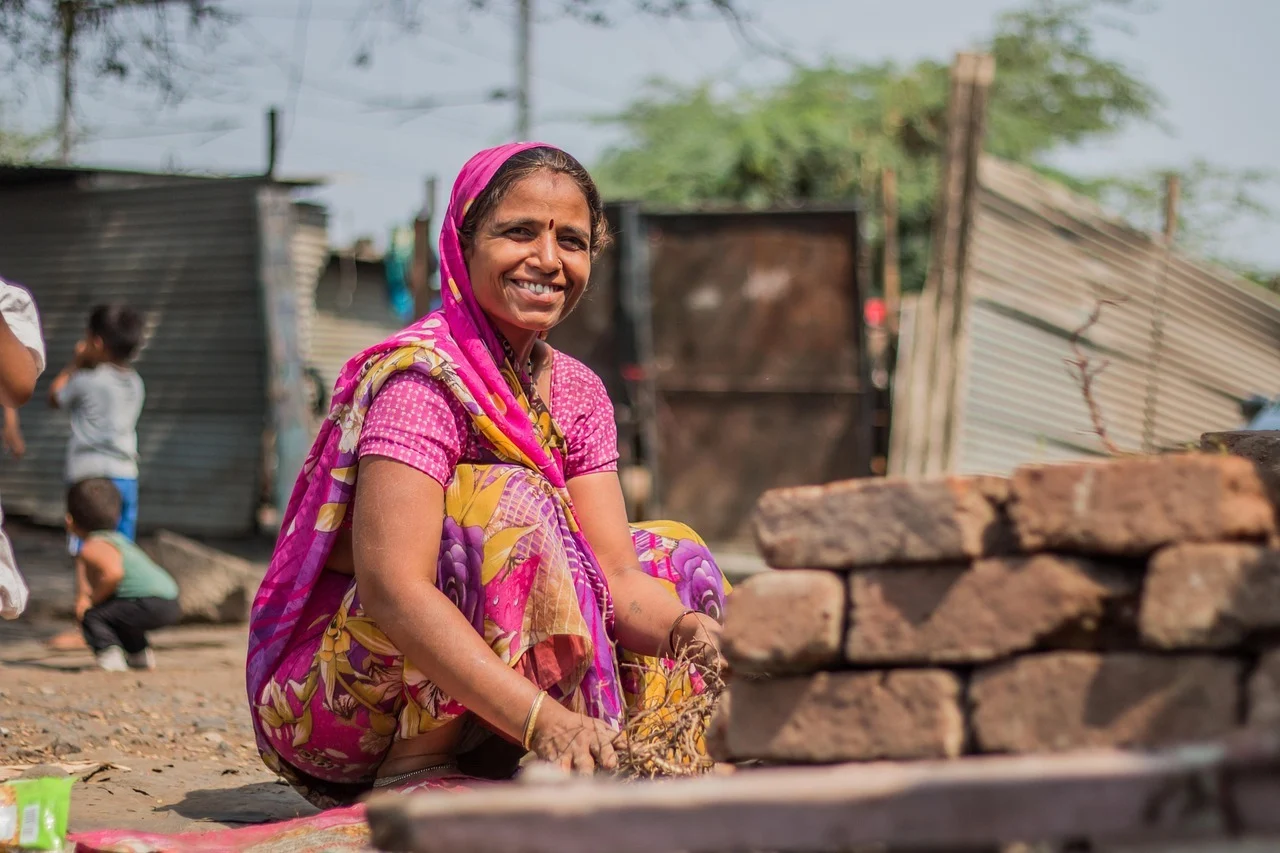
It didn’t begin in a boardroom. It began in a basti of Delhi.
In the late 1990s, when social work was neither popular nor well-funded, a few friends pooled together ₹100 each and stepped into the narrow lanes of a cigarette factory slum in Model Town. 

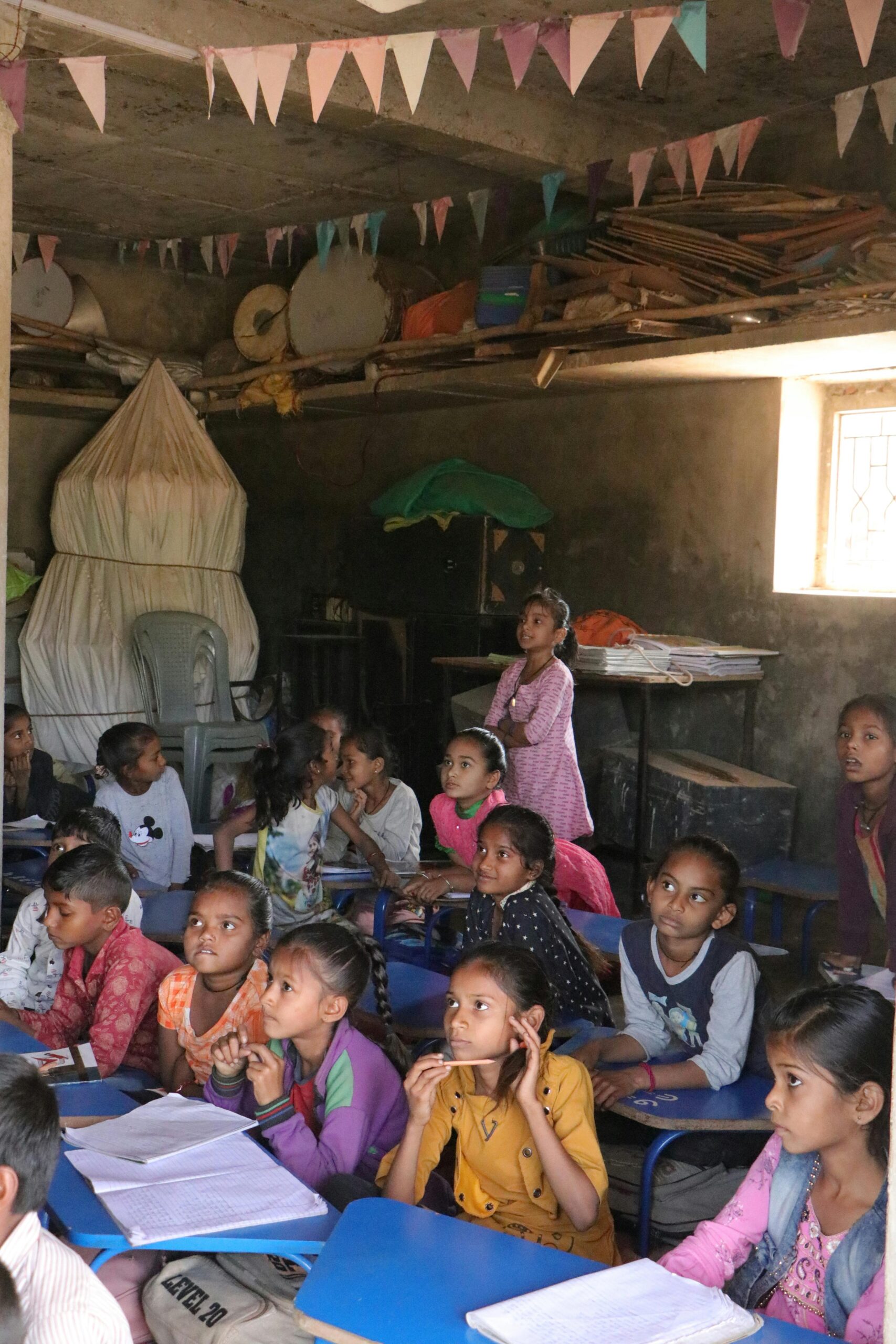
There were no chalkboards or plans, only a belief that people on the margins deserved dignity, not charity. Our first classroom was built on trust, where children gathered and local youth like Gyaan Prakash taught with heart. That’s how AIDENT was born not with resources, but with relationships.

Growing Roots: Baby Steps (2000–2005)

From one basti, we moved into another. From one room, to many classrooms.
We worked with children who had been forced into child labour, dropout students who thought education wasn’t for them, and young girls who had never stepped into a school.

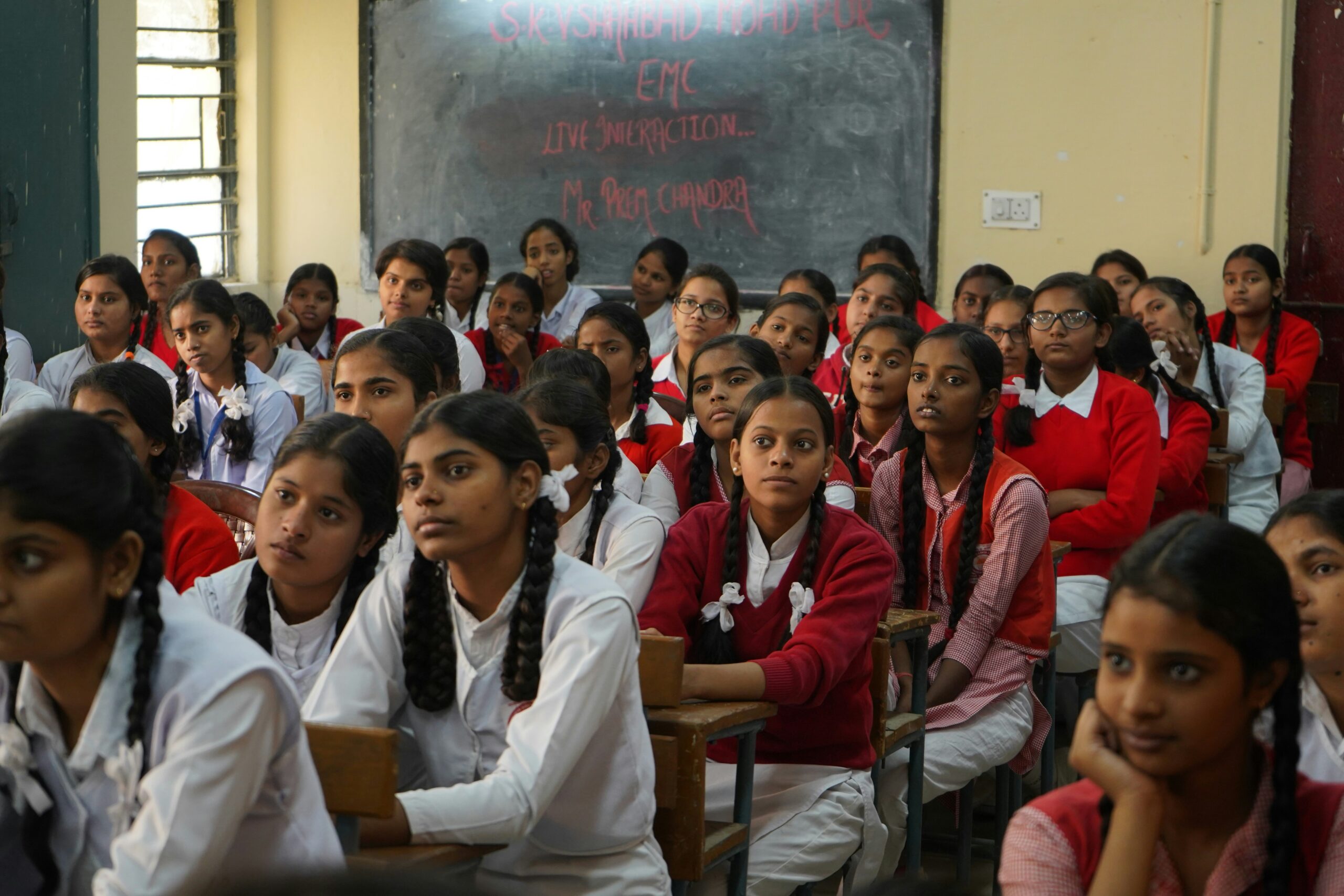
Over the years, more than 50,000+ children returned to classrooms through our interventions. Many of them became the first in their families to finish school. 

Expanding Horizons: Walking & Scaling (2006-2015)

Communities taught us that education alone was not enough. Parents needed secure livelihoods. Women needed to be heard. Villages needed basic sanitation.

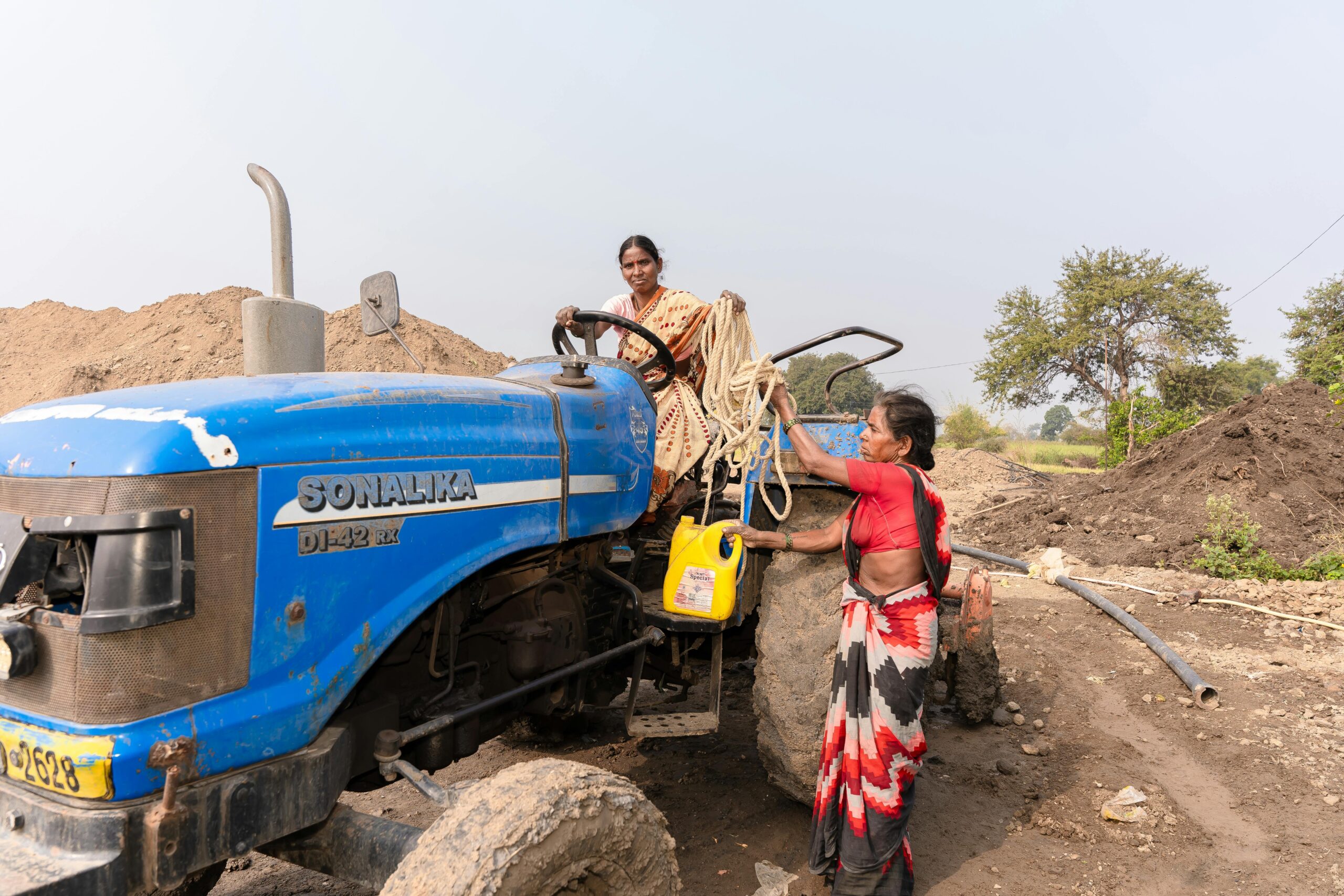
This phase saw AIDENT spread across seven states, building programs in livelihoods, sanitation, women’s empowerment, and health. We partnered with tribal communities in Jharkhand, worked with farmers in Bihar, and stood beside women in Delhi who were demanding equal access to schemes and services.

Some of our proudest moments came from this decade:

  • Supporting women through the Gender Resource Centres, ensuring government schemes reached their doorsteps.
  • Working with communities of female sex workers, transgenders, and injecting drug users helping them move from silence to collective assertion of their rights.
  • Turning villages that had never seen a toilet into Open Defecation Free (ODF) communities.

Scaling With Partnerships: Trust and Reach (2016–2020)

By now our work reached 183 districts across 13 states, touching the lives of over 13 million people across tribals, minorities, women, children, farmers, LGBT+ communities, and endangered groups like the Pahadia of Jharkhand.

This scale was possible because trust carried us forward:

  • Communities trusted us enough to lead change from within.
  • Donors and partners trusted us to walk with them for the long haul.
  • Governments, corporates, and international organisations from the World Bank to Tata Group, Nestle, and HDFC Bank partnered with us to make lasting impact.

Responding to New Realities: COVID and Beyond (2020–2025)

When the COVID-19 pandemic struck, our work shifted overnight. From education and livelihoods, we moved to relief and resilience. We extended a helping hand with food, health awareness, and support for vulnerable groups across states.

Amid the crisis, we deepened our work in environment and clean energy, promoting biogas units, solar-powered sanitation systems, and waste segregation campaigns.
We also launched integrated development village models combining education, health, sanitation, and livelihoods building the foundation for self-reliant, climate-resilient communities.

Over these 25 years, we earned trust the long way with families, field staff, teachers, officials, donors. Our strength was was in mobilising people, utilising community wisdom, and walking with the communities we serve. We earned trust. Communities trusted us. Donors stayed for years.

AIDENT 2.0: The Next 25 Years

As we mark 25 years, we look back with gratitude and forward with clarity.
The first 25 years were a living proof of concept that deep trust, long-term presence, and people-first design can power transformation.

Now, we are ready for AIDENT 2.0.

  • What changes? We move from being primarily an implementing partner to designing and leading our own core programs, placing women & children at the heart of every initiative.
  • Where we focus? On key domains include  Livelihoods & Sustainability, Education, Health & Sanitation and Integrated Rural Development.
  • How we grow? By scaling what works, building community leadership, with women as anchors and youth as changemakers.

If the past 25 years taught us anything, it’s when people are supported with care and trust, real change happens. We are not starting over. We are scaling what works.