Education

Why Education

We believe education is the first step towards dignity, opportunity, and self-reliance. For children from vulnerable families, it can be the difference between lifelong marginalisation and a chance at a better life.

Across many of the communities we work with, children grow up without access to stable schooling. Early responsibility, poverty, and seasonal migration push them into work far too soon. Often, they are left behind by formal systems not because they lack ability, but because no one has paused to ask: what does learning mean for them?

Key Interventions

Access to Education for Out-of-School & Child Labour-Affected Children

We work to reclaim the right to education for children who are out of school due to labour, migration, or poverty. Through non-formal centres, bridge schools, and rehabilitation programmes, we bring them back into classrooms with dignity. Our non-formal centres run within communities with flexible timings, nutritious meals, and volunteer-led teaching. With a strong focus on equity, these models ensure that the most marginalised, including girls and migrant children, are not left behind in their right to education. 

Remedial Learnings and Holistic Child Development 

Once children are in school, they need more than enrolment, they need to learn, grow, and thrive. Our remedial classes strengthen literacy, numeracy, and subject skills, while our residential and co-curricular programmes nurture confidence, creativity, and resilience. From joyful classrooms enriched with sports, yoga, arts, and life skills, children discover their voice and potential. These interventions provide safety, nutrition, and healing spaces enabling vulnerable children to move from trauma and exclusion towards dignity and opportunity.

Smart Schools Transformation 

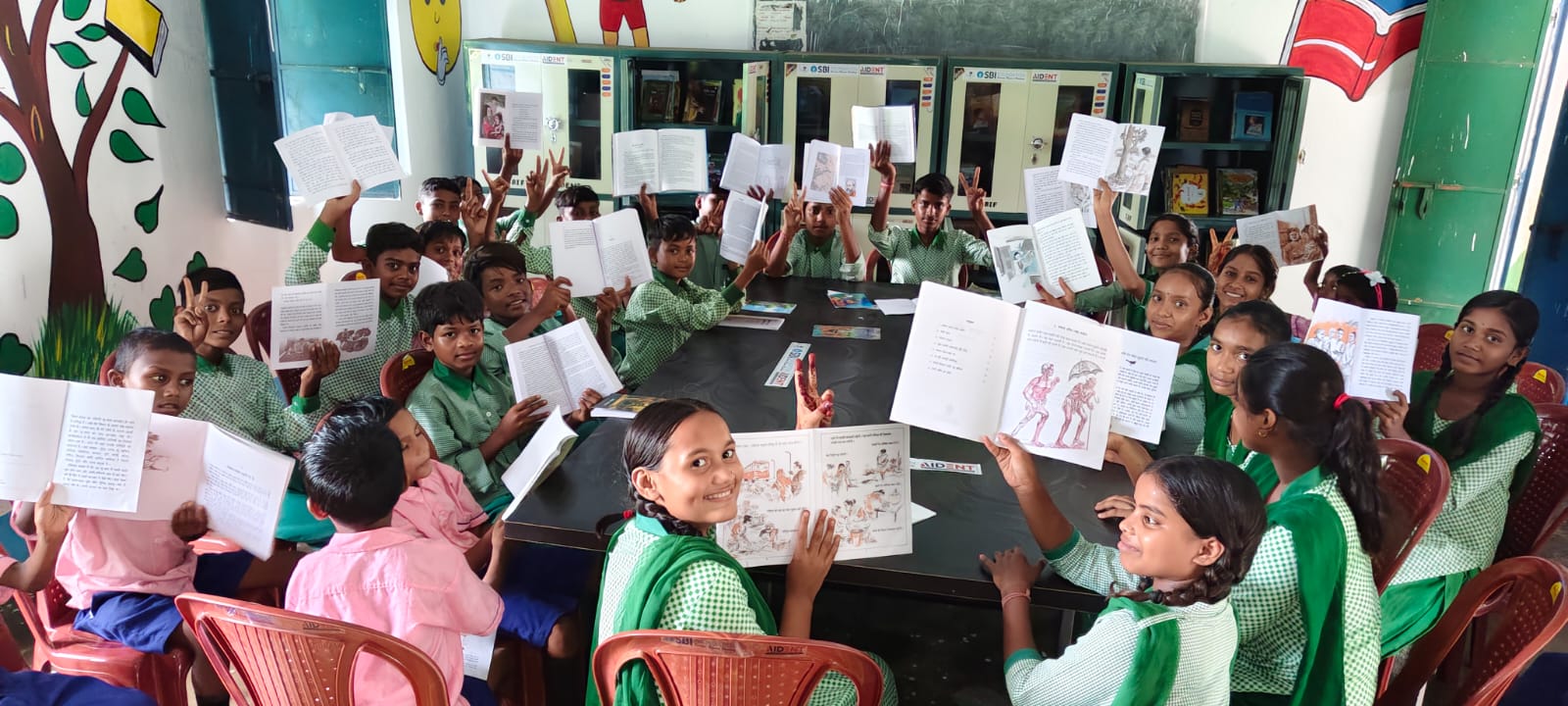
We turn government and community schools into vibrant, tech-enabled learning spaces. Smart classrooms, digital tools, and creative libraries make learning joyful and interactive. Clean drinking water, safe sanitation, and inclusive infrastructure ensure every child can learn with dignity.

By blending technology with care, Smart Schools bridge learning gaps and help children gain the skills and confidence they need for the future.

Flagship Projects

Bhatta Pathshalas & National Child Labour Rehabilitation Programme

📍 Panipat, Haryana
Integrated education and rehabilitation programme enabling migrant and child labour–affected children to access schooling, nutrition, and dignified futures.

Children living and working in brick kilns, factories, and informal workplaces are among the most excluded from formal education. Long working hours, seasonal migration, poverty, and lack of nearby schools often push them into labour at an early age, cutting off learning opportunities and future choices.

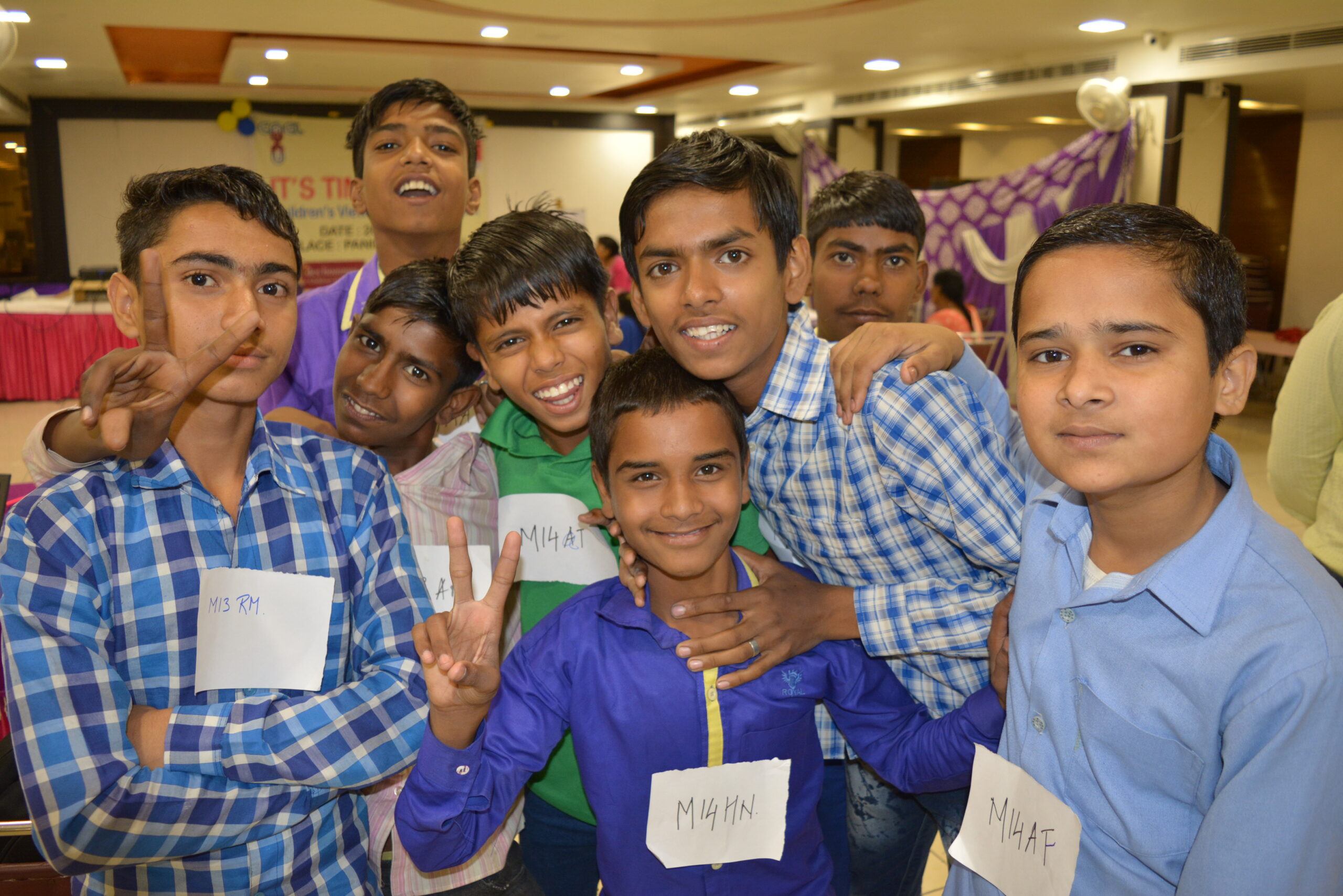
The Bhatta Pathshalas responded to this reality by bringing education directly to brick kiln worksites. Seventy-three non-formal learning centres across 14 kiln clusters offered flexible timings, joyful learning methods, nutrition support, and accelerated education. By removing distance and time barriers, children were able to re-enter learning without leaving their families’ workplaces. Within six months, 1,825 children were mainstreamed into government schools.

Alongside this, the Ministry of Labour’s National Child Labour Project supported children rescued from hazardous work through special bridge schools that combined foundational education, meals, stipends, life skills, and vocational exposure. After surveying 16,000 shops and 2,000 factories, rescued children were enrolled in special schools offering bridge education, meals, stipends, life skills, and vocational training. Older adolescents received training in trades such as tailoring, carpentry, plumbing, and electrical work to reduce the risk of returning to exploitative labour.

Together, these programmes enabled over 6,500 children to transition from labour to learning, demonstrating how hyper-local, flexible education can break intergenerational cycles of child labour and illiteracy.

📍 Madhubani, Sitamarhi & Sheohar, Bihar
Community-based initiative supporting out-of-school girls to access education, implemented as part of the MAITRI collaborative model.

Project MAITRI is a collaborative education model supported by Educate Girls US (EGUS), designed to enable local community-based organisations (CBOs) to reach out-of-school girls (OOSGs) in high-need geographies. 

The MAITRI pilot began in 2022 across selected districts of Bihar (with limited work in Haryana), targeting areas with high numbers of out-of-school girls. Implementation typically involves door-to-door outreach, community mobilisation, and sustained engagement with families and schools. Technical and data-management support is provided through partner organisations to enable adaptive, outcomes-based implementation.

The programme was implemented in Madhubani, Sitamarhi, and Sheohar districts of Bihar between September 2022 and March 2024. The intervention focused on 6,000 out-of-school girls, with a total project outlay of ₹1.84 crore, supporting identification, community engagement, and linkage of girls to formal education systems through locally led implementation.

This structure reflects MAITRI’s core principle: combining outcomes-based partnerships with local leadership, allowing communities to address girls’ education in ways that respond to their specific realities.

📍 Jharkhand
Upgrading 61 government schools with smart classrooms, safe sanitation, drinking water, libraries, and inclusive learning spaces benefiting 17,000+ children.

AIDENT partnered with SBI Foundation to turn 61 government schools in Govindpur, Dhanbad Block into inclusive, child-friendly, and future-ready learning spaces. The project focused on improving both the academic and physical environment of rural schools, ensuring that children, especially girls and first-generation learners, study in spaces that support dignity and aspiration.

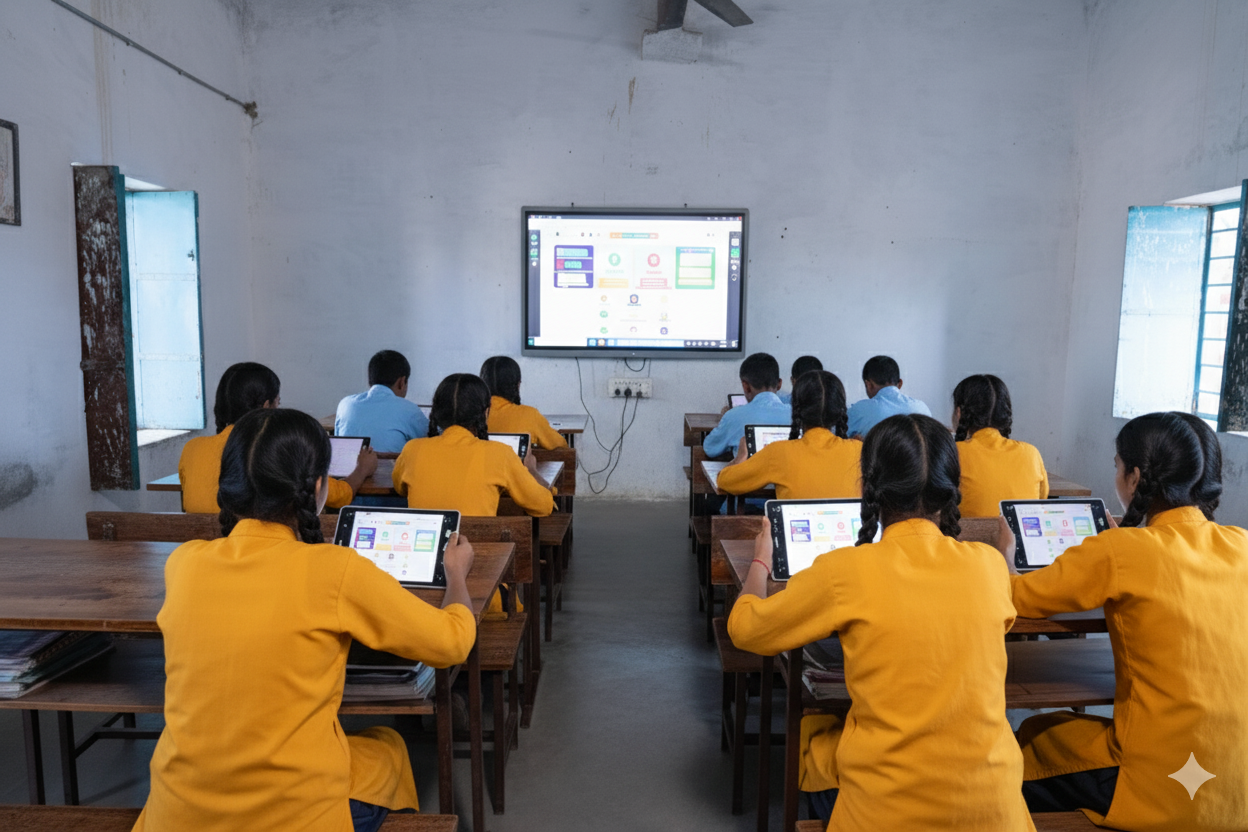
Smart classrooms, digital learning tools, library corners, and activity-based pedagogy helped improve classroom engagement and learning outcomes. Schools were also upgraded with safe drinking water, gender-sensitive sanitation blocks, better lighting, and boundary improvements, making them safer and more welcoming for children.

AIDENT worked closely with School Management Committees, teachers, and community members so that the transformation was not only infrastructural but also behavioural. Parents were encouraged to stay involved in their children’s education, while teachers received support to adopt joyful and digital teaching methods.

The project directly benefited 17,000+ children across 61 schools and strengthened learning conditions in 11 surrounding villages. It serves as a scalable model of how simple upgrades , when combined with community ownership, can dramatically improve government school quality in underserved areas.

Impact So Far

6,500+

children supported through alternative learning initiatives

4,000+

mainstreamed into formal schooling

Stories of Change