





Health and Sanitation
Why Health & Sanitation
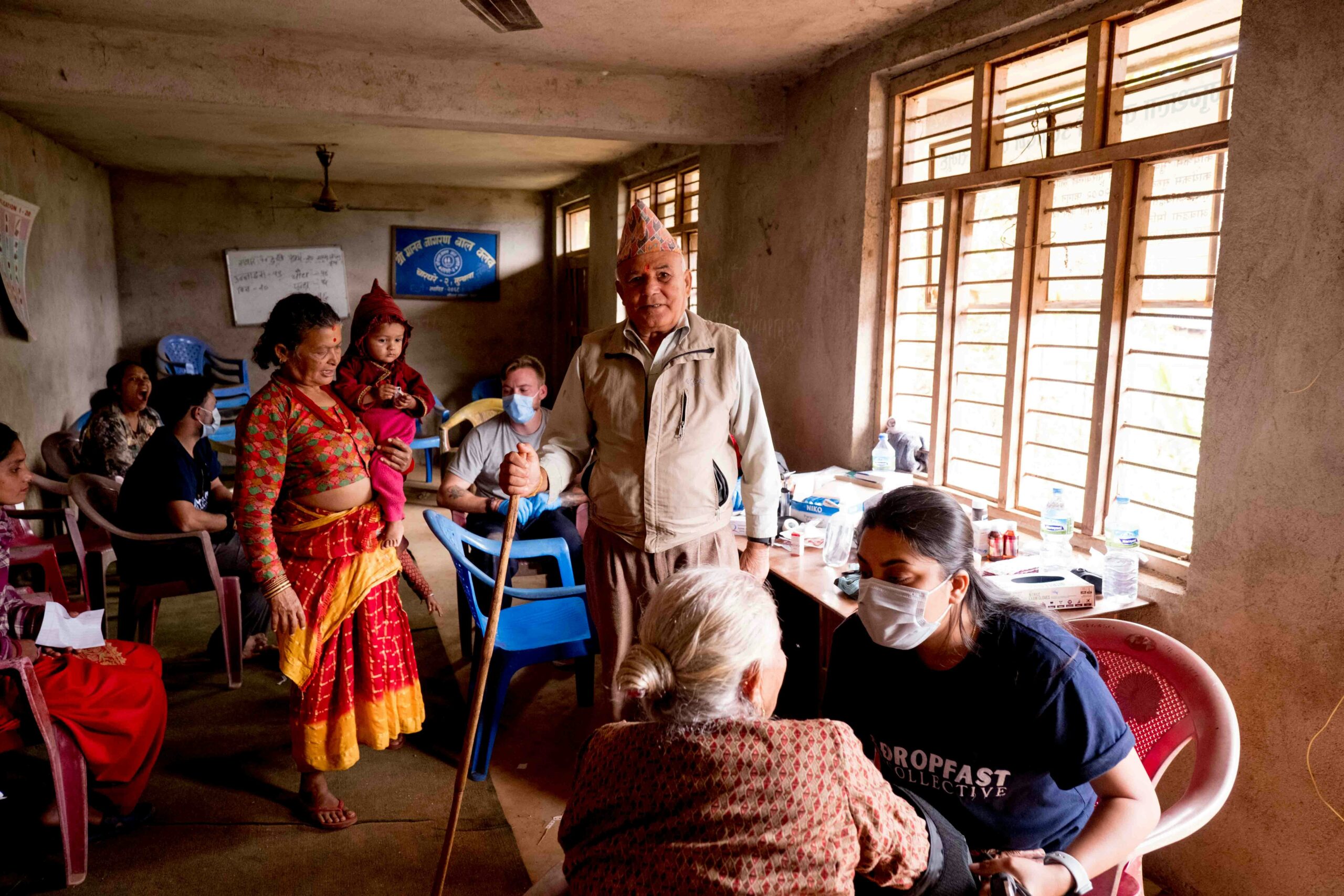
Health and sanitation are inseparable. In the communities we work with, illness is often not caused by lack of doctors alone, but by unsafe sanitation, poor hygiene, limited awareness, and delayed access to care. Women’s health, especially maternal and reproductive care, remains neglected, while children suffer from malnutrition, preventable infections, and untreated illnesses. Health emergencies frequently push families into debt and long-term vulnerability.
Since the early 2000s, AIDENT has worked at the intersection of healthcare access, preventive behaviour, and safe sanitation, ensuring that health is not treated as a service delivered in isolation, but as a condition created within homes, schools, and communities. We focus on triggering behaviour change, enabling community ownership, and building local capacity so ODF status is achieved and sustained. Since 2004–05, AIDENT has worked with villages and habitations to end open defecation through true community ownership not just by building toilets, but by transforming behaviours. Our CLTS approaches have been documented as best practices and adopted by districts across Haryana, Jharkhand, and Bihar.
Key Interventions
Primary Healthcare Access
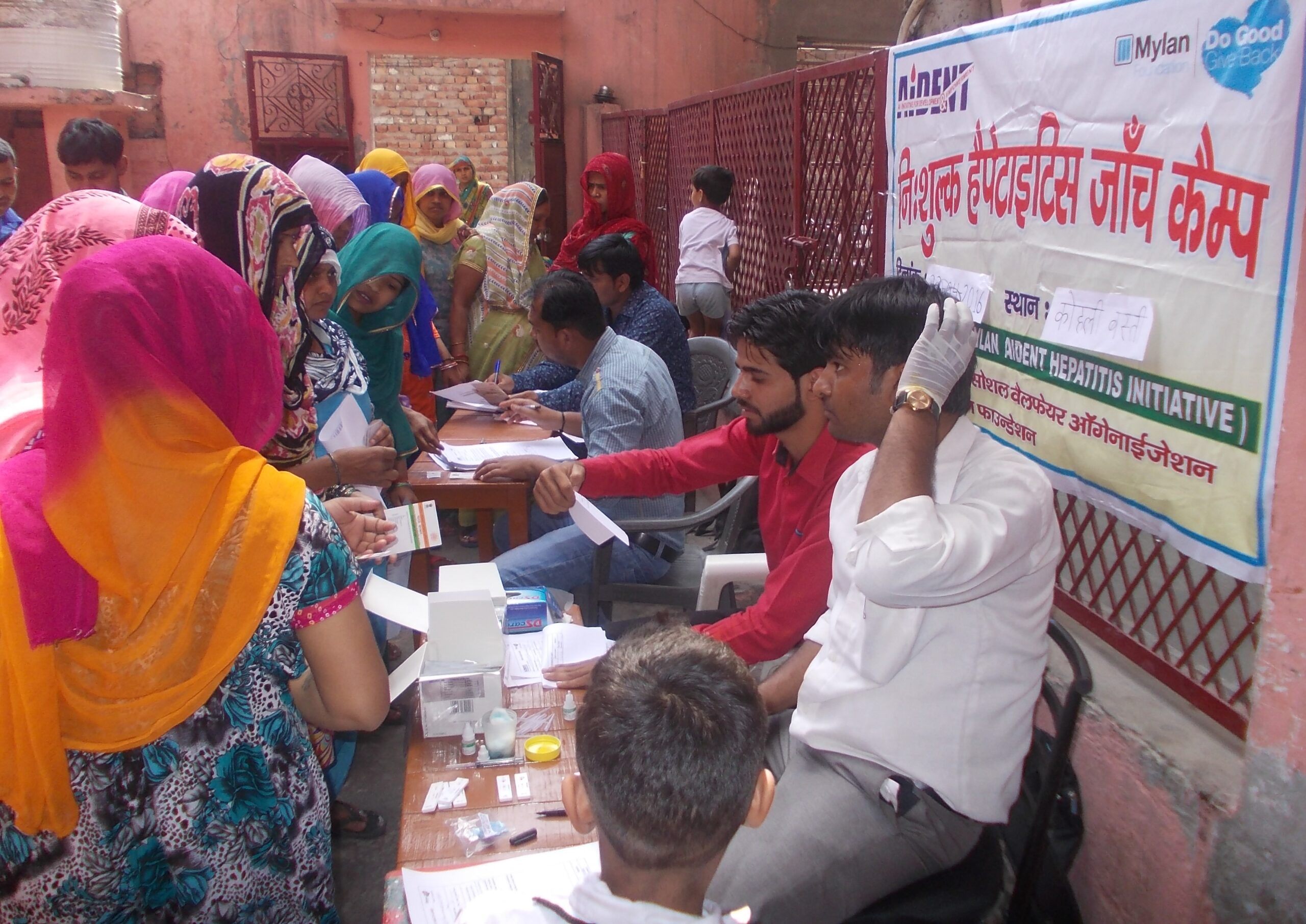
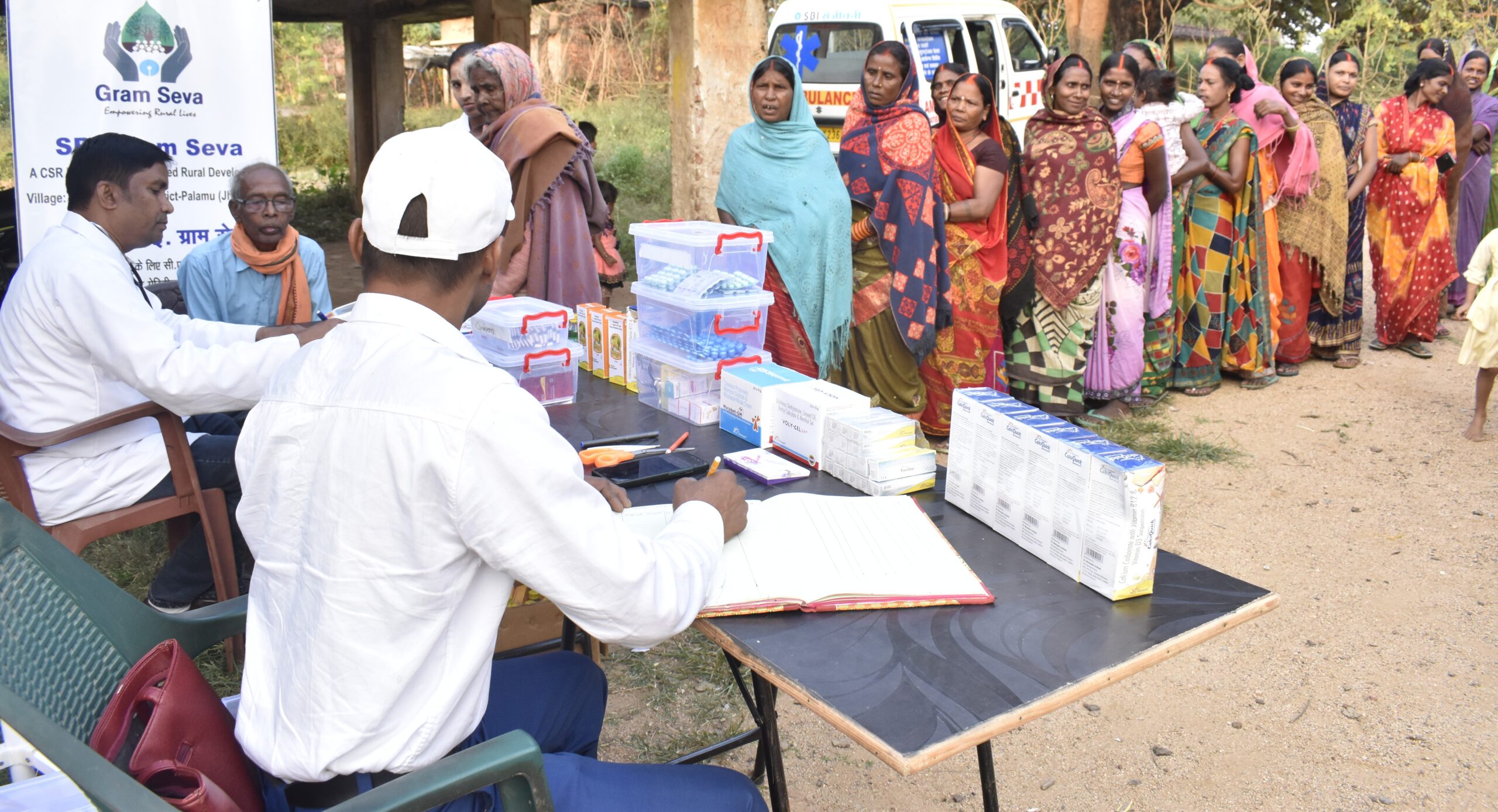
We take healthcare to the doorstep of the underserved through mobile health units, medical camps, and referral linkages. By addressing common illnesses, providing diagnostic support, and connecting families to government health facilities, we ensure that even the most marginalised receive timely and dignified treatment. These interventions reduce preventable suffering and bridge the last-mile gap in healthcare delivery.
Maternal, Child & Adolescent Health and Nutrition
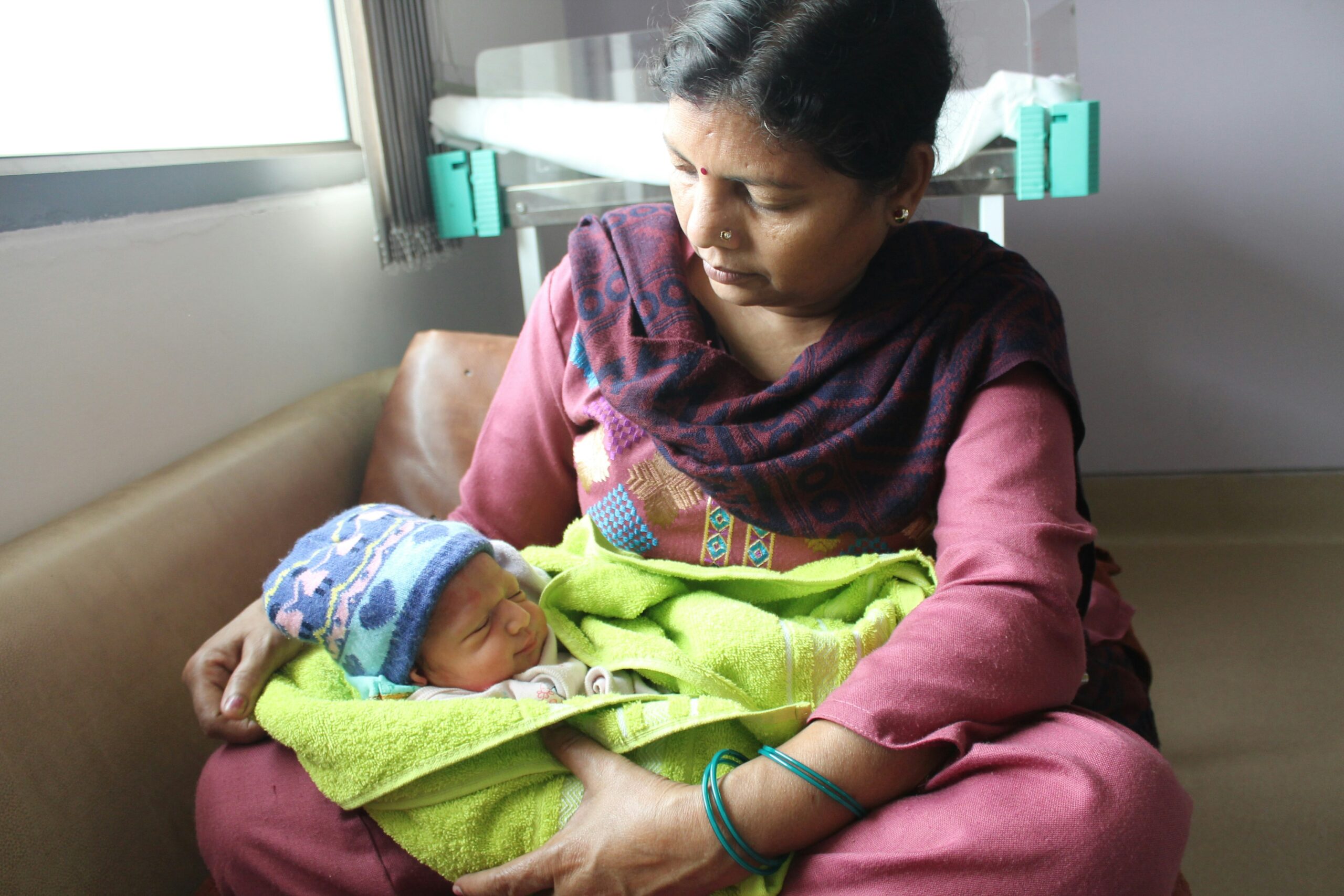
Healthy communities begin with strong foundations. Our programmes focus on maternal care, safe childbirth, immunisation, nutrition, and adolescent well-being. Through counselling sessions, awareness drives, and nutritional support, we safeguard the health of mothers, infants, and youth. By addressing critical life stages, we create a continuum of care that builds resilience across generations
Preventive Health & Community Awareness
Lasting change comes when communities themselves embrace healthier practices. We engage families through awareness campaigns on hygiene, sanitation, family planning, tobacco control, HIV/AIDS prevention, and disease management. Women leaders, SHGs, and peer educators act as local health champions, spreading knowledge that protects entire communities. These efforts foster self-reliance and ensure that health is not only accessed but also sustained.
Community-Led Total Sanitation (CLTS)
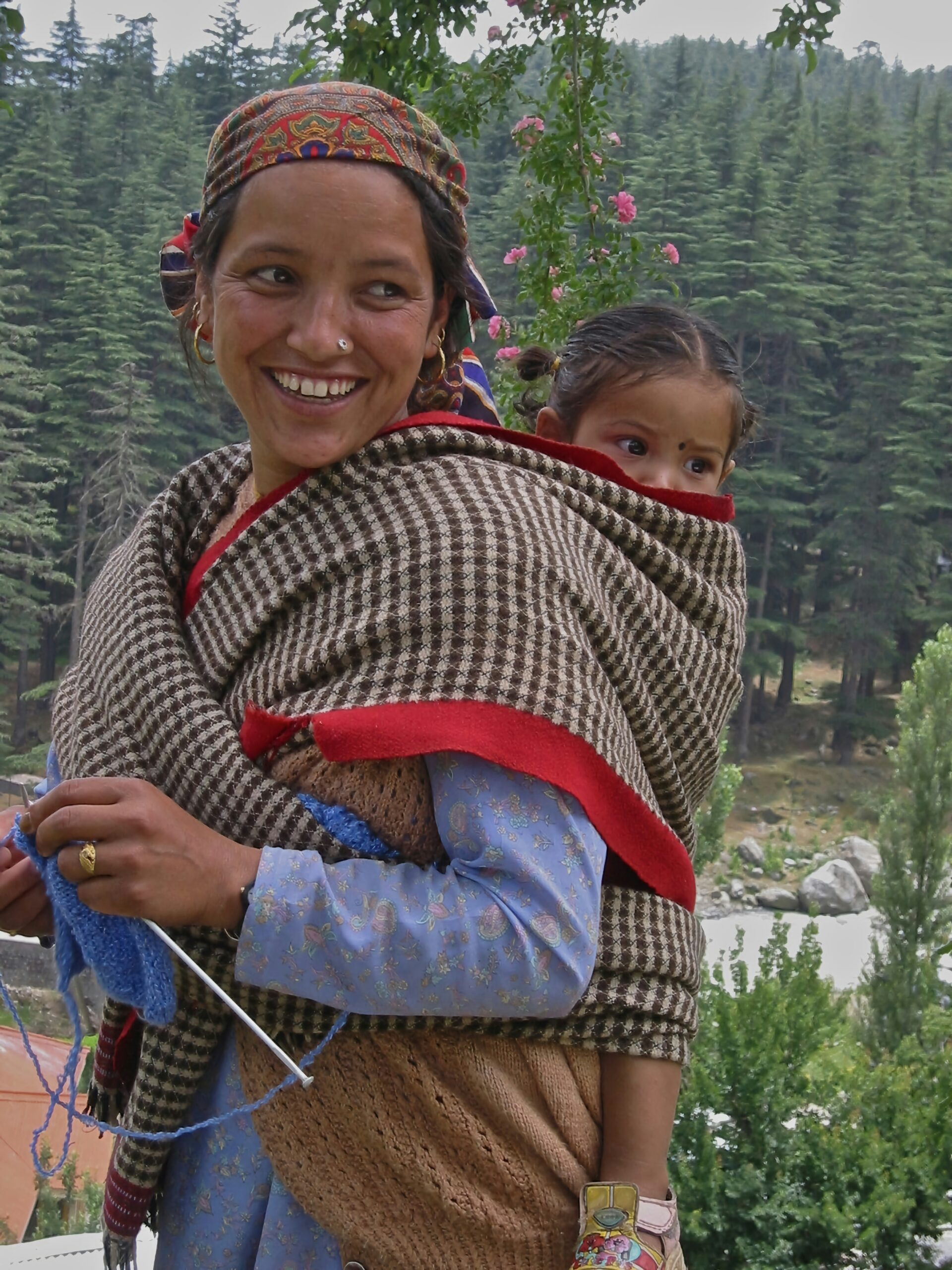
We mobilise villages, tolas, and Panchayats to recognise the health and dignity costs of open defecation and act together. Using CLTS tools, household counselling, and peer pressure rooted in pride, communities build and use their own toilets and declare ODF — with PRI leadership and zero/minimal subsidy mindsets. We scale impact by strengthening the system: training officials, NGO partners, community mobilisers, and masons; standardising CLTS processes; and supporting PRIs to lead and monitor ODF. Our manuals and ToT modules, developed with partners, are used across districts.
ODF Sustainability & Hygiene Behaviour
Achieving ODF is step one; preventing slippage is the real test. We institutionalise post-ODF follow-ups, school-led hygiene messaging, handwashing and safe water practices, and community surveillance. Locally created IEC — comics, calendars, slogans — keeps the message alive and makes hygiene “the new normal”.
Flagship Projects
Project MAHI – Hepatitis & TB Screening & Awareness
📍 Punjab, Haryana, Uttar Pradesh & Uttarakhand
Large-scale community-based programme for Hepatitis and TB, reaching over 1.5 million people across high-burden districts.
Project MAHI (Mylan–AIDENT Health Initiative) is one of India’s largest community-based programme addressing Hepatitis B, Hepatitis C, and Tuberculosis (TB) in high-prevalence districts. Supported by Mylan Pharmaceuticals (USA), the initiative focuses on early detection, awareness, stigma reduction, and strong referral linkages with government health systems.
For Hepatitis B and C, Project MAHI operated across 11 high-prevalence districts in Punjab, Haryana, and Uttarakhand, reaching over 1.5 million people through extensive awareness campaigns and community mobilisation. Outreach was conducted through village meetings, youth groups, SHGs, ASHAs, Anganwadi workers, and school sessions to debunk myths around transmission and encourage preventive behaviours. Screening camps were organised, and individuals testing reactive were directly referred to district hospitals for confirmatory testing and treatment. The programme also included TB awareness and symptomatic identification across 5 blocks of Bahraich district, Uttar Pradesh, and other districts, focusing on early recognition of symptoms and timely linkage to public health facilities.
Project MAHI also supported evidence-based advocacy to push for a stronger national policy response to Hepatitis. It remains a pioneering CSR-backed model integrating prevention, diagnosis, and government health system convergence at scale.
HIV/AIDS Targeted Interventions (TI)
📍 Multiple States
Behaviour change communication, STI management, counselling, and safe practices for high-risk populations under NACO-supported HIV/AIDS programmes.
AAIDENT has been implementing HIV/AIDS Targeted Interventions (TI) under the National AIDS Control Organisation (NACO) for over a decade, working with high-risk groups including Female Sex Workers (FSWs), Men who have Sex with Men (MSM), Transgender persons, Injecting Drug Users (IDUs), and truckers. These communities face stigma, mobility, and barriers to accessing healthcare; AIDENT’s TI programmes focus on behaviour change, stigma reduction, and consistent adoption of safe practices.
Interventions include peer-led outreach, regular counselling, STI diagnosis and management, condom promotion, crisis response, and strong referral linkages to government Integrated Counselling and Testing Centres (ICTCs). Community peer educators play a central role in building trust and sustaining health-seeking behaviour.
Through personalised outreach and community mobilisation, the programme reaches 13,000+ high-risk individuals and 65,000–75,000 vulnerable populations annually. Implemented in close partnership with State AIDS Control Societies, AIDENT’s TI sites have repeatedly been recognised as learning sites for their quality and community-rooted approach.
Reproductive & Child Health (RCH) Programme – NRHM
📍 Haryana
Improving maternal and newborn health through ANC/PNC, immunisation, birth attendant training, adolescent health education, and strengthening frontline healthcare.
AIDENT’s RCH programme strengthens maternal and child health services in some of Haryana’s underserved communities. Implemented under the National Rural Health Mission, the initiative focuses on increasing institutional deliveries, improving antenatal and postnatal care, ensuring immunisation coverage, and enhancing frontline health workers’ capacity.
Local health volunteers and birth attendants receive training to identify danger signs, counsel pregnant women, and link them to timely medical care. AIDENT-appointed ‘Sakhis’ maintain household-level tracking of women in the reproductive age group and ensure that pregnant mothers attend scheduled ANC/PNC visits and deliver at safe, accredited facilities. Through regular counselling sessions, families learn about nutrition, breastfeeding, spacing methods, and newborn care.
The programme has strengthened coordination between communities and district health systems, helping reduce delays in care-seeking. Its community-driven model ensures that women who previously relied on informal or unsafe practices now experience reliable, respectful maternal care. The initiative has been recognised by district health authorities for improving utilisation of government health services in low-resource urban and peri-urban settlements.
Community-Led Total Sanitation (CLTS) – Haryana
📍 Mansarwas & Other Villages (First Nirmal Gram of Haryana)
AIDENT facilitated behaviour change–led sanitation transformation, resulting in Haryana’s first-ever Nirmal Gram and recognition from national authorities.
AIDENT facilitated the state’s first-ever Nirmal Gram in Mansarwas, followed by three more villages declared ODF. These achievements were recognised nationally and documented by Prof. Kamal Kar as best practices in CLTS.
The programme focused on deep community mobilisation triggering meetings, shame-pride cycles, walk-through assessments, and household counselling. Rather than subsidies, AIDENT promoted dignity, pride, and collective responsibility as motivators for toilet adoption. Panchayat leaders, Anganwadi workers, schoolchildren, and natural leaders played central roles in sustaining the movement.
AIDENT also developed widely used IEC tools such as the Sarla Bahan comic series, sanitation calendars, slogans, manuals, and ToT modules. The model later influenced state-wide sanitation campaigns. These early interventions laid the foundation for ODF achievement and sustainability long before the national Swachh Bharat Mission.
Sustainable Sanitation & Community Systems – Jamshedpur Rural Cluster
📍 Jharkhand (Tata Power)
Sanitation improvement across 14 Gram Panchayats, including household toilet adoption, hygiene behaviour change, ODF monitoring, SHG-led sanitation committees, and school WASH improvements.
In Jamshedpur’s peri-urban and tribal settlements, AIDENT supports more than 20,000 households across 14 Gram Panchayats to adopt safe sanitation and hygiene practices. The programme integrates sanitation infrastructure with intensive behaviour change communication, making it one of the most community-owned sanitation models in eastern India.
Households construct and use toilets without depending on external subsidies, driven by pride and aspirations for a cleaner village. Women’s Self-Help Groups and youth collectives lead follow-up visits, ODF monitoring, handwashing campaigns, and waste management initiatives. Schools across the cluster receive WASH improvements and hygiene education.
Partnerships with Panchayats ensure sanitation becomes part of local governance, not just a temporary project. Over time, sanitation committees formed under this initiative have taken responsibility for monitoring slippage, resolving disputes, and supporting solid and liquid waste management (SLWM) systems. The model demonstrates how sanitation can strengthen women’s leadership, community systems, and health outcomes simultaneously.
Sanitation for Tribal Communities – Dumka CLTS Programme
📍 Santhal Pargana, Jharkhand (Global Sanitation Fund)
One of India’s largest sanitation programmes in eastern India enabling 250+ villages to become ODF through community-led, culturally rooted behaviour change.
AIDENT’s sanitation programme in Dumka district is one of eastern India’s most extensive community-driven sanitation efforts. Working with tribal groups such as the Santhals and the endangered Pahadiya tribe, the initiative covers nearly 1,000 villages. Through intensive mobilisation, over 250 villages achieved open-defecation-free (ODF) status accounting for nearly 40% of all ODF villages in Jharkhand during that period.
The programme uses CLTS methods rooted in community pride, cultural norms, and collective responsibility. Villagers construct their own toilets and sustain usage without subsidies. Natural leaders and local champions emerge from within the community, ensuring long-term behaviour change. Hygiene messages are reinforced through school activities, wall art, gatherings, and local storytelling traditions.
The Dumka model has been recognised for showing how empowered communities can transform sanitation without relying on external incentives. It remains a must-visit site for practitioners studying large-scale, culturally sensitive sanitation initiatives.
Impact So Far
1.5+ million people
reached through health awareness, screening, and prevention initiatives
13,000+ high-risk individuals
supported through HIV/AIDS targeted interventions
800+ villages
engaged through sanitation and hygiene programmes
15+ lakh rural residents
reached across Jharkhand, Haryana, and Bihar
1st Nirmal (ODF) Gram
in Haryana
413 households
adopted biogas, reducing indoor smoke-related illnesses
3–4 hours saved daily
for women, improving health, care, and productivity
