From Spinning Yarn in Factory to Running Her Own Boutique
Seema was just 9 when she began working in a spinning unit in Panipat for daily wages. Their family had come to Panipat from Uttar Pradesh. Her father did odd jobs. Her mother worked in nearby factories. With four children to feed and rent to pay, school was never an option. She would wake up early, help with chores, and then sit for hours in a noisy, crowded space twisting yarn on her small hands not knowing what a school classroom even looked like.
We first met Seema during a field survey under the National Child Labour Project (NCLP). She was shy, clung to her mother, and barely spoke. When we talked about enrolling her in the Rehabilitation Centre, her parents were hesitant. “She helps me,” her mother said softly. “Who will manage if she’s not there?”
Eventually, with support from her mother and consent from the unit owner, Seema started attending the Rehabilitation Centre for Destitute and Migrant Child Labour for a few hours daily.
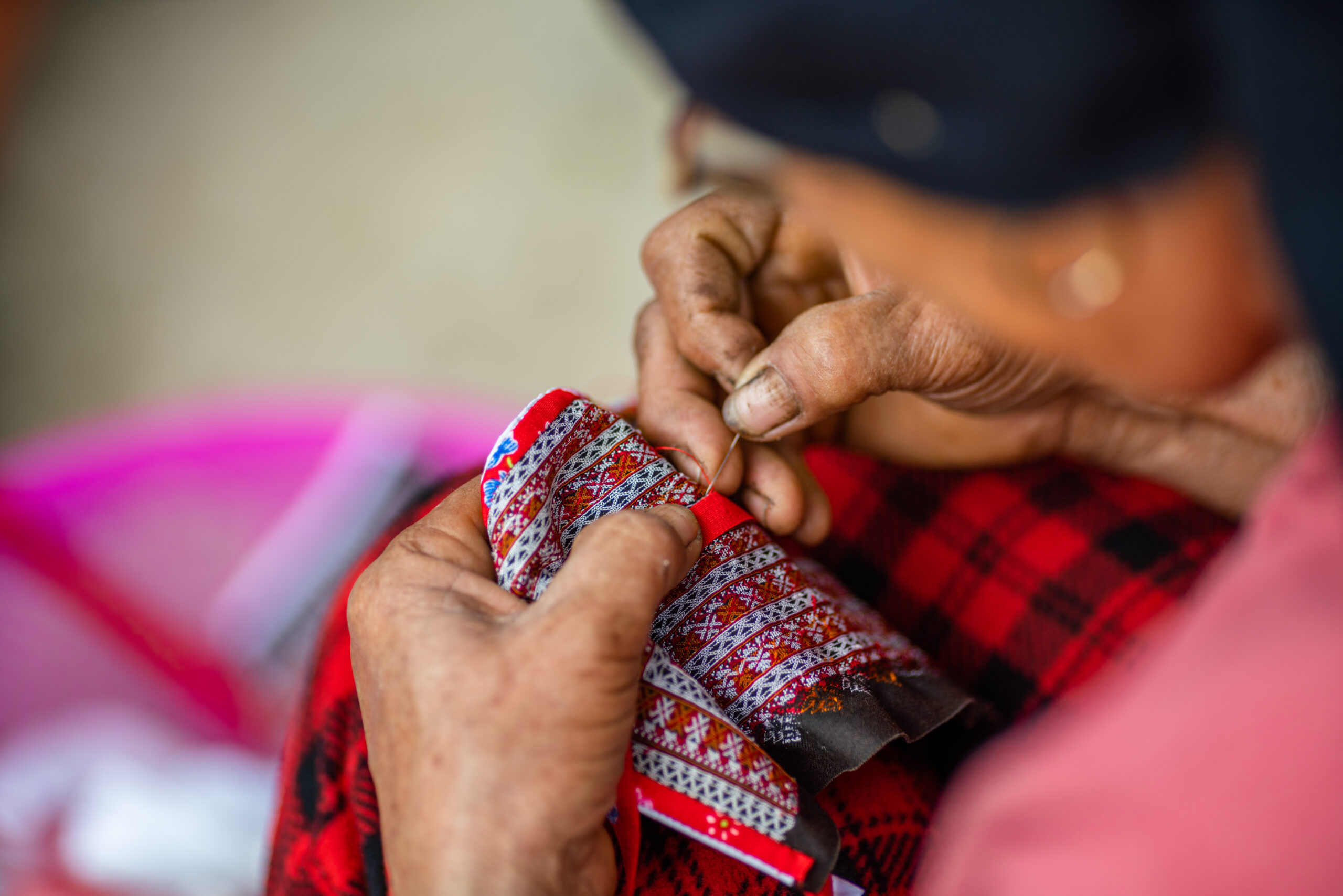
In the beginning, she sat quietly in the corner. She had never held a pencil or seen a blackboard. But soon, her world began to open. She loved singing, tried her hand at tailoring, and made friends who had stories just like hers. When a vocational tailoring module was introduced, Seema lit up. She had always loved colours and fabrics.
She completed a skill course in stitching, with support from the program’s L&T partnership. Today, at 19, Seema runs her home-based boutique. She earns her own income and contributes to her household.
“Earlier I only knew how to twist yarn in someone else’s factory” she says, “Now I design clothes people come to me for”